Enterprise SaaS · Design Systems · Team Leadership

FileWave
Workspaces.

Enterprise Device Management Platform

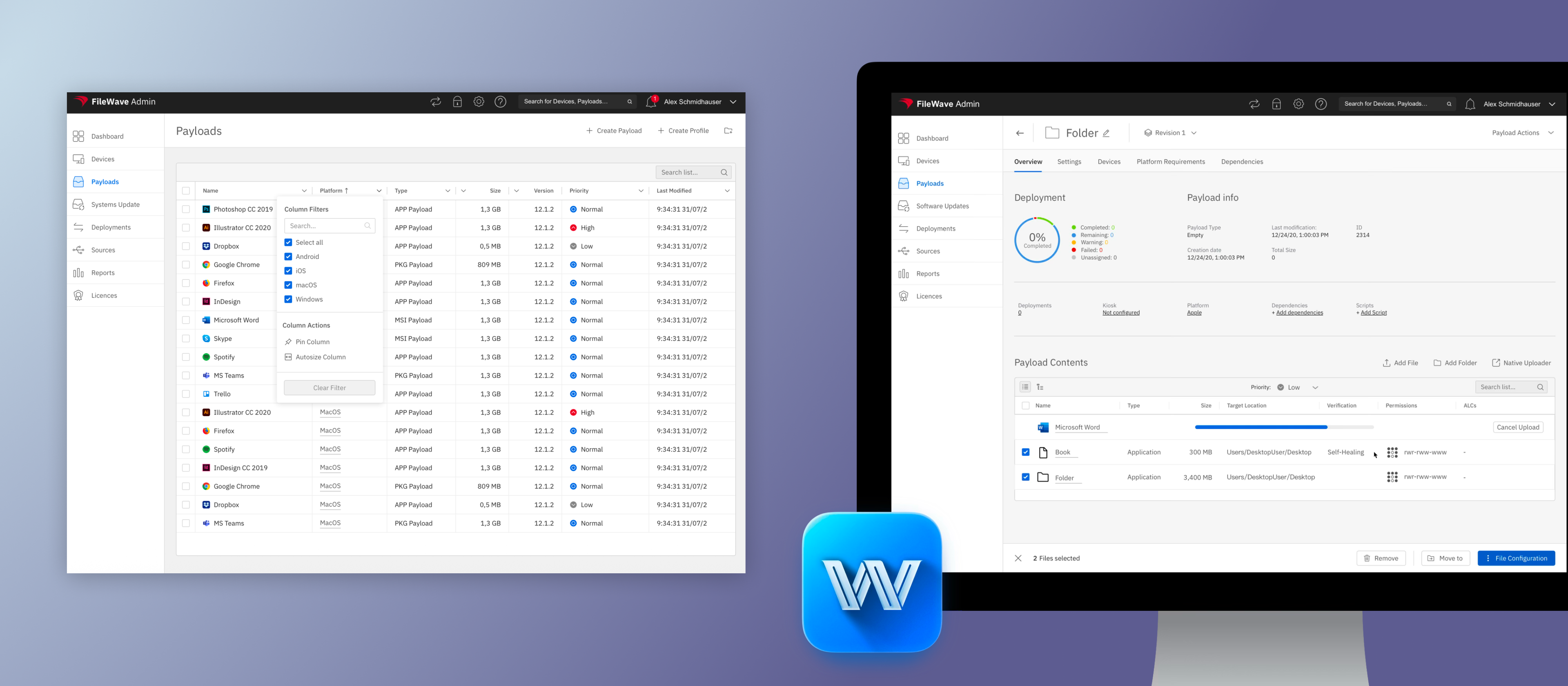
FileWave's product had grown monolithic — technically and in design. Components were rebuilt from scratch every time. I convinced the CTO to run a 2-week experiment. That experiment became the foundation for a design system used across 12 product sections.

FileWave Workspaces

Background

A Monolith Is A Design Failure.

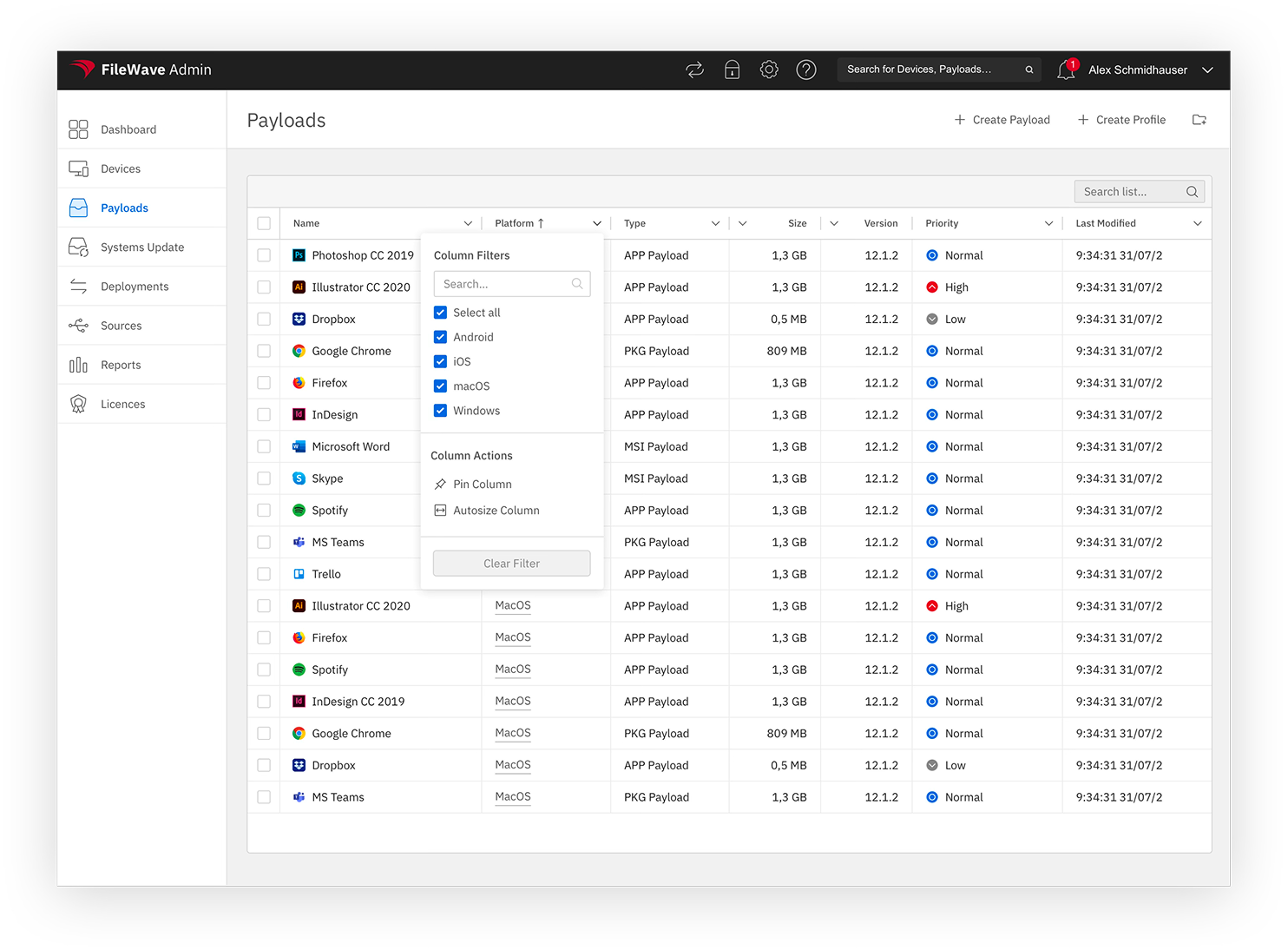
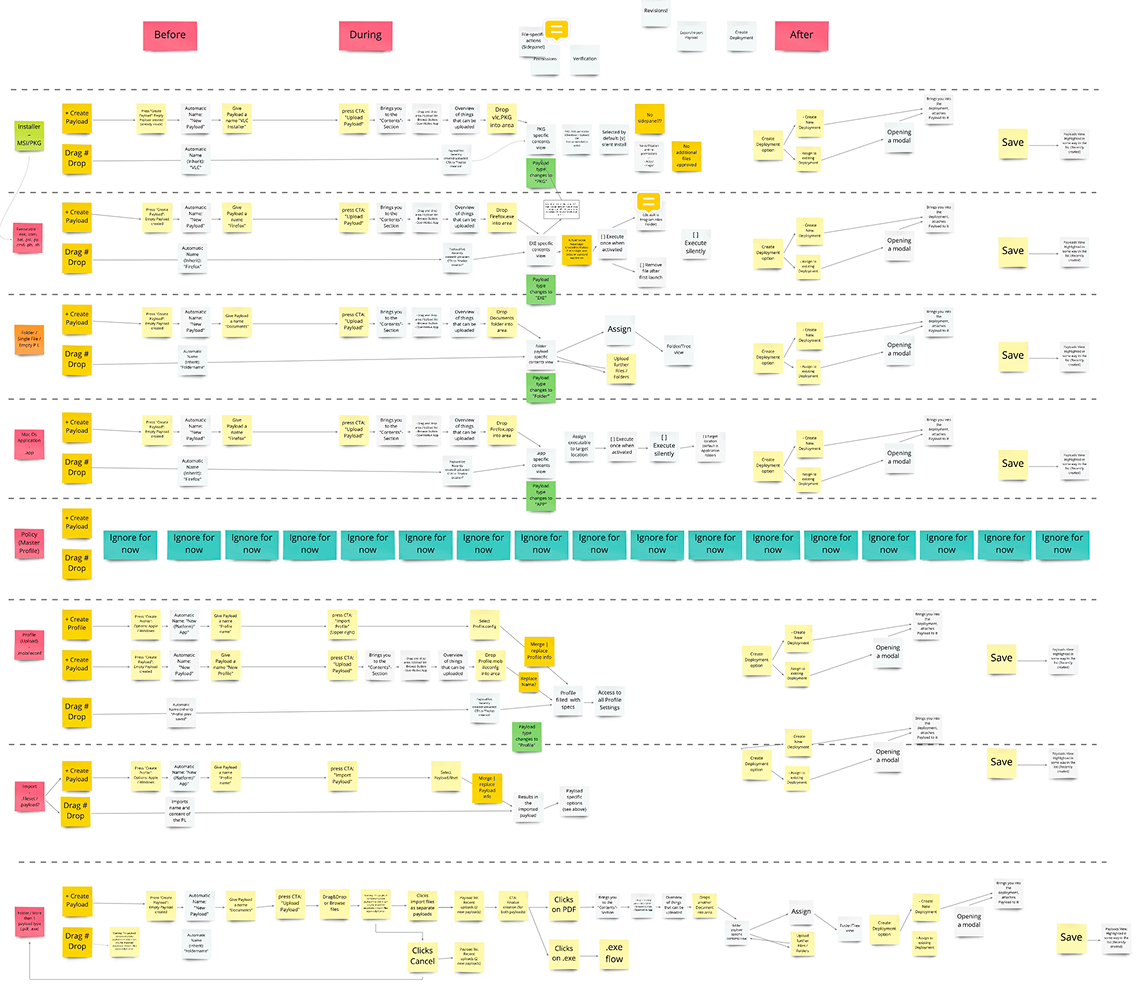
FileWave's product was monolithic — in both its technical architecture and its design team. Every new feature meant rebuilding components from scratch. No reuse. No shared foundation. The result: inconsistencies across the product, ballooning development time, and accessibility requirements that were nearly impossible to retrofit.

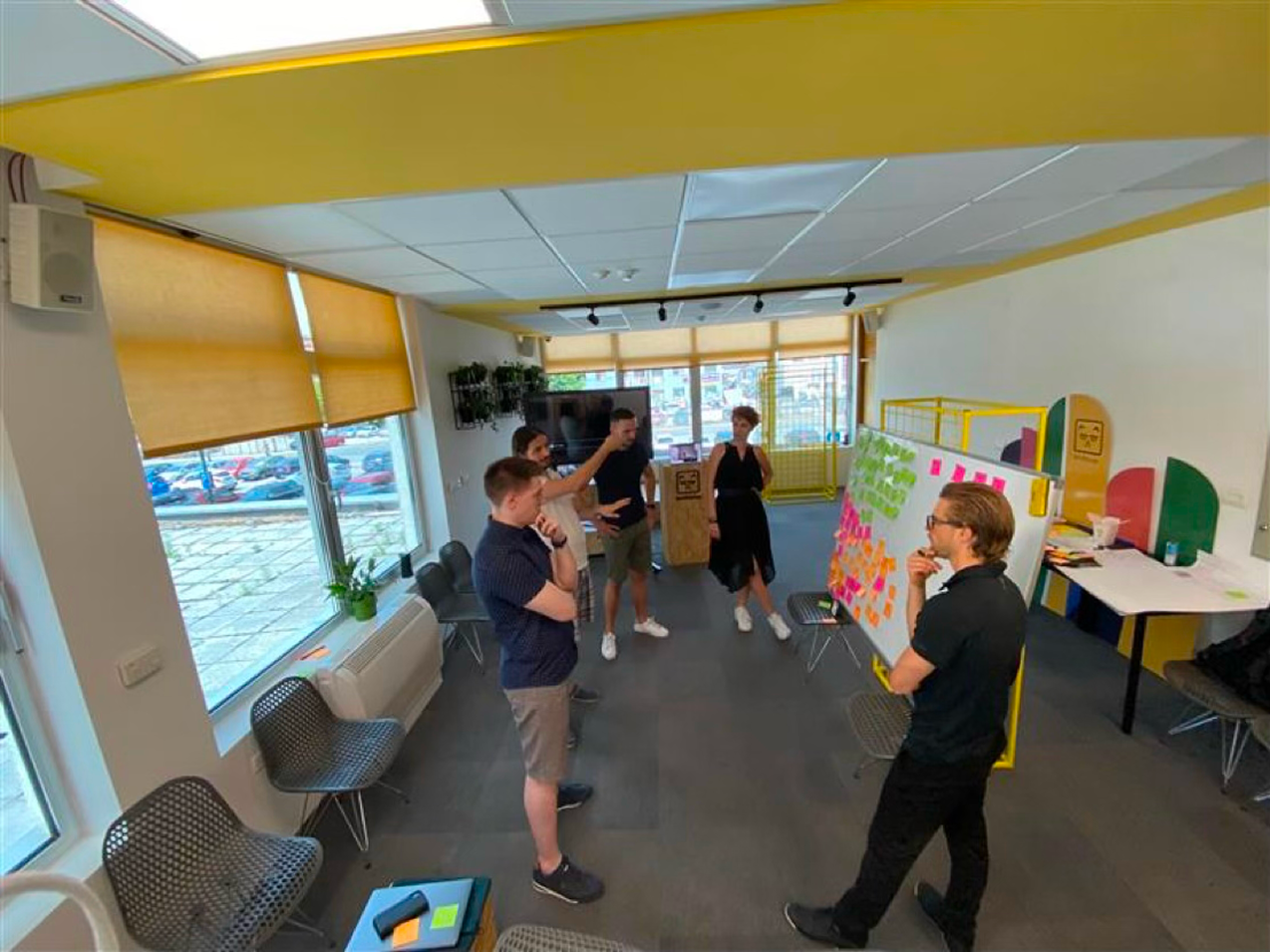
I identified the root cause and proposed a solution — but first, I had to prove it. I pitched the CTO a two-week experiment: one developer, one designer, a clear brief. Build the component library, or admit it can't be done. Two weeks later, we had it.

Two weeks. One developer.
The CTO said yes.

Design Process

Diagnose. Prove. Build. Roll Out.

01

Diagnosing The Root Cause

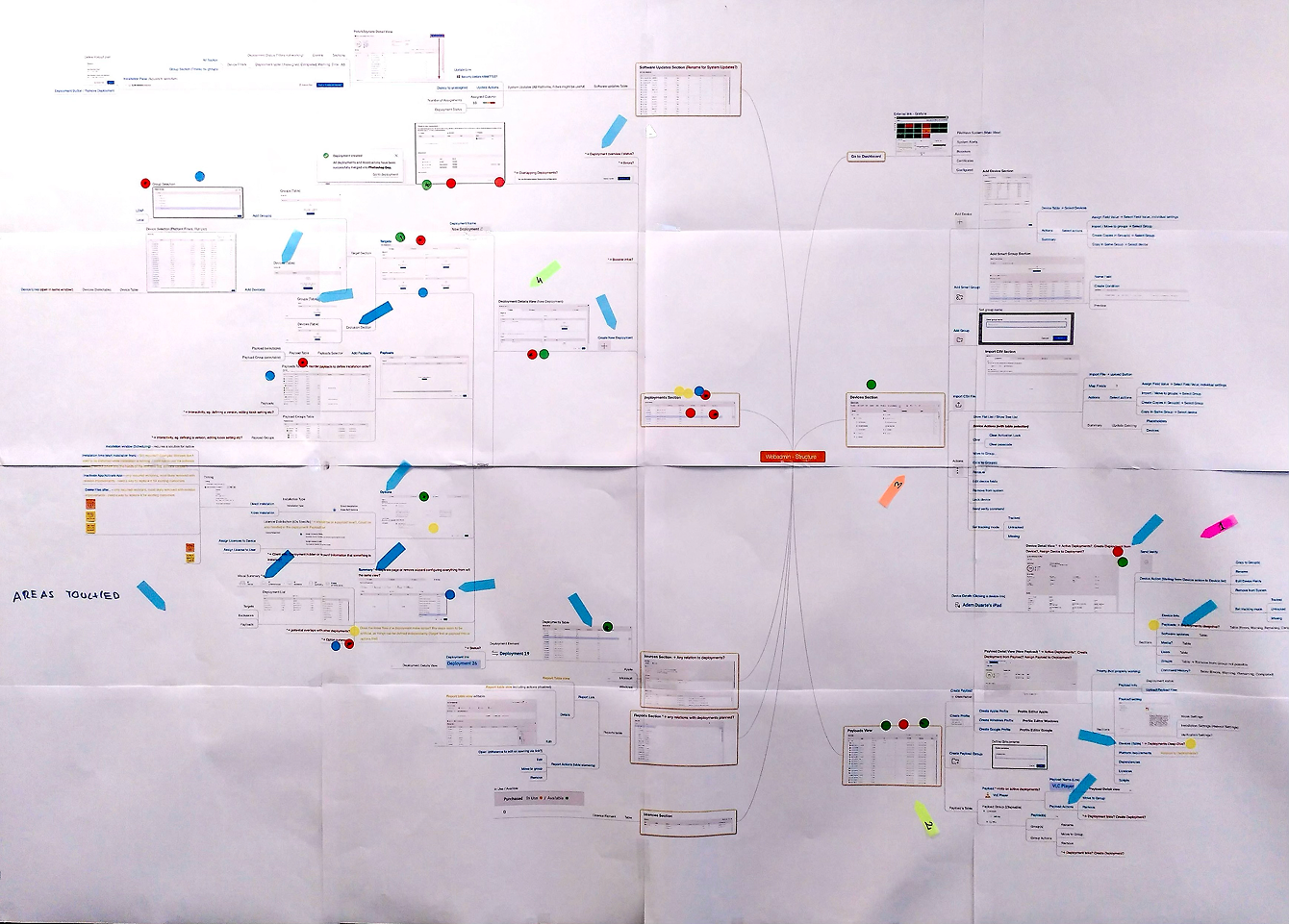
Mapped the full scope of the problem across design and engineering — duplicate components, inconsistent patterns, accessibility gaps, and documentation debt. Framed it not as a UX problem but as a systemic architecture failure affecting every team's velocity and every user's experience.

02

The 2-Week CTO Pitch

Rather than requesting a large budget or a long roadmap, I pitched a time-boxed proof of concept: one designer, one developer, two weeks to build a working component library. The constraint made the proposal easy to approve — and the outcome made it impossible to reject. The library was built on schedule.

03

Building The Component Library

Designed and documented 82 production-ready components with full design token support — covering typography, colour, spacing, and interactive states. Each component was built once, spec'd for both Figma and code, and made accessible to WCAG standard from day one rather than retrofitted later.

04

Design Tokens & WCAG Compliance

Introduced design tokens as the single source of truth linking design decisions to implementation — enabling consistent colour, spacing, and typography across the entire product. Simultaneously elevated accessibility standards: improved contrast ratios, full keyboard navigation, and screen reader support built into the component architecture.

05

Product-Wide Rollout Strategy

Developed a phased rollout strategy to migrate all 12 product sections and 110 documentation pages to the new system — without halting ongoing feature development. Ran alignment sessions across design and engineering squads to ensure adoption was consistent and the old component patterns were fully retired.
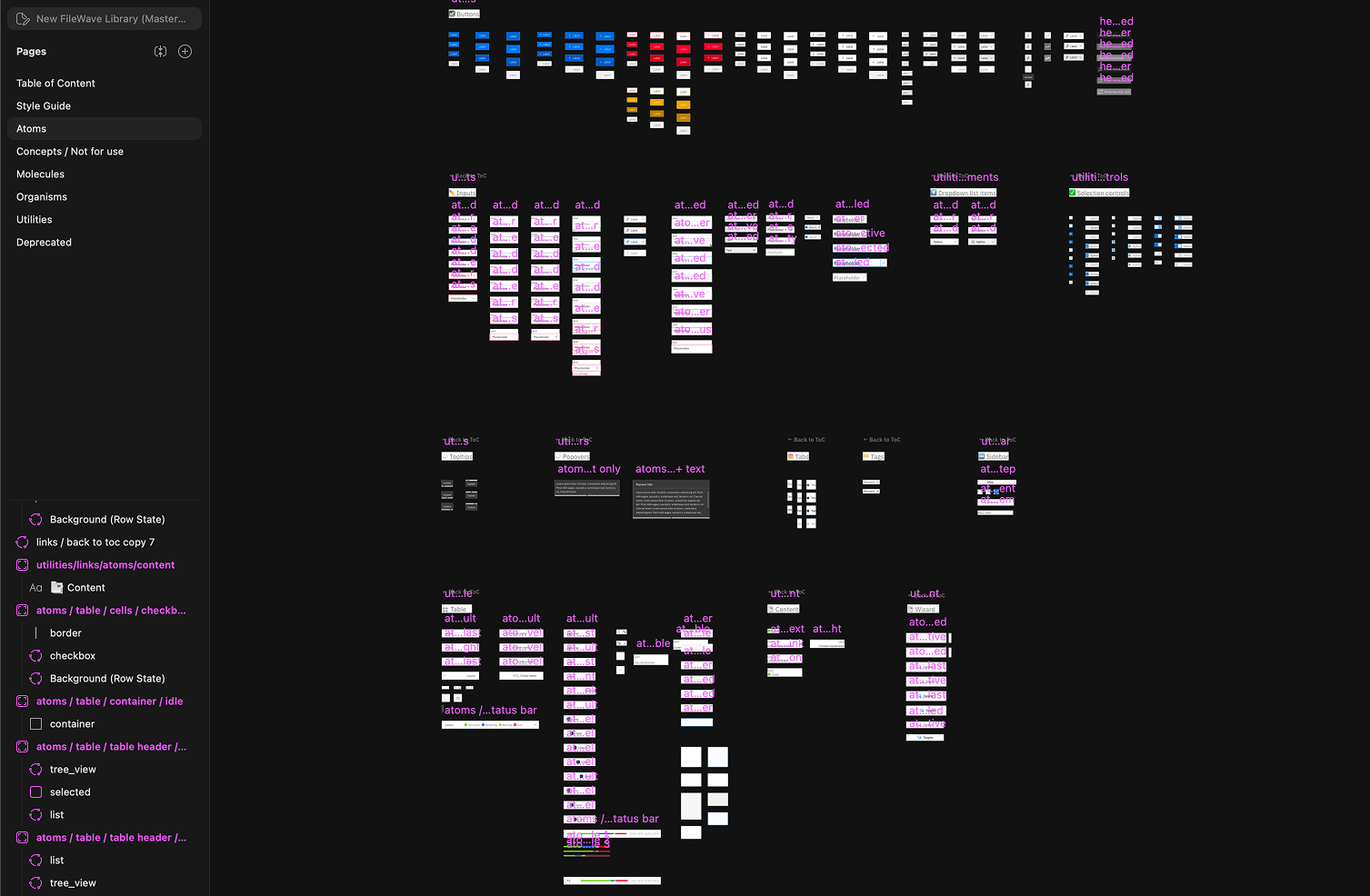
Component library · 82 components across states, variants & documentation

82 production-ready components — each designed once, documented fully, and shared across design and engineering.

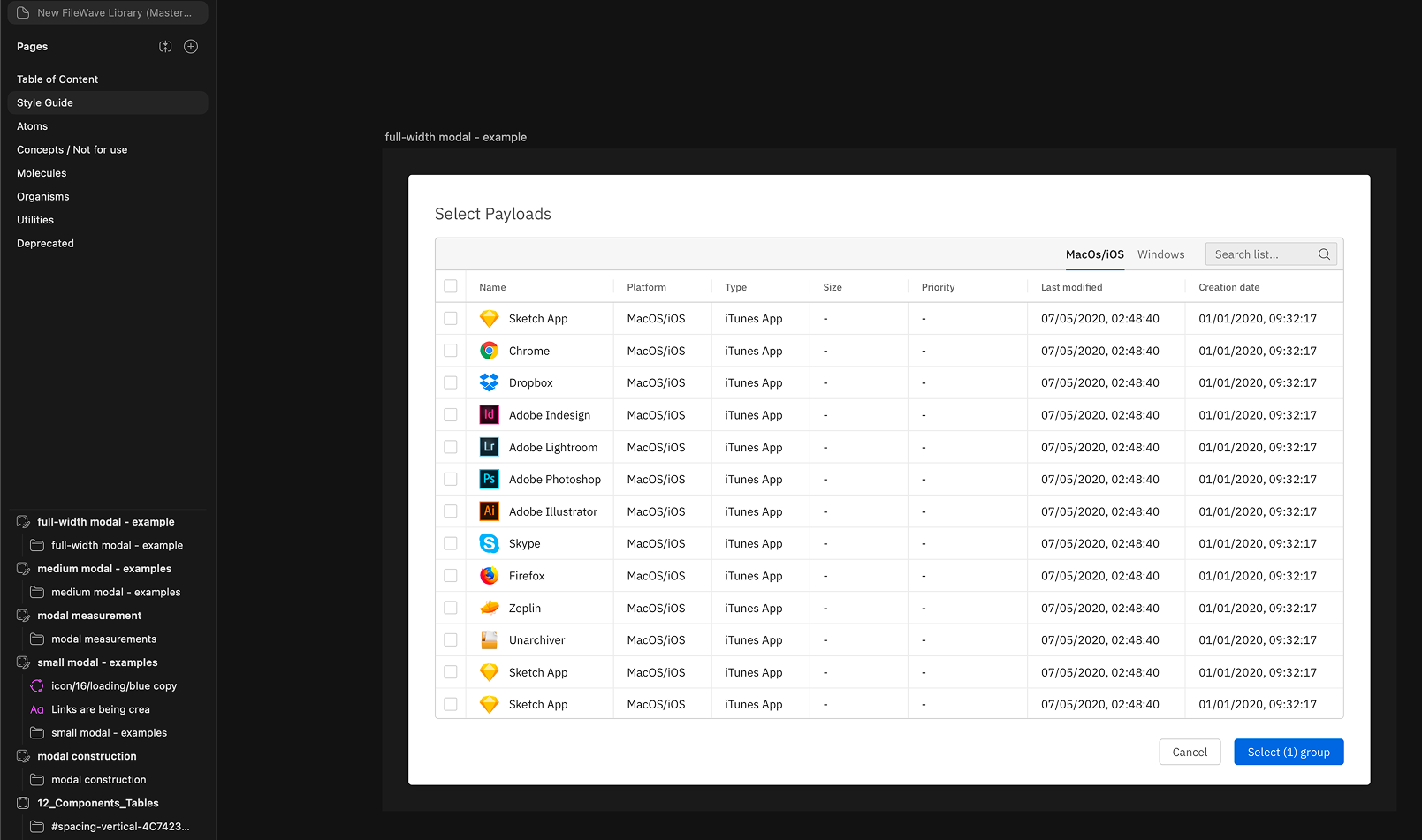
Component library example — modal component in Figma

Figma component library — full-width modal example with variant documentation and layer structure.

Built once. Used everywhere.
Accessible from the start.

Outcomes & Impact

Components Built

82

Production-ready components with design tokens, full variant coverage, and WCAG-compliant accessibility built in from day one.

Sections & Docs

12 + 110

12 product sections and 110 documentation pages migrated to the new component system in a phased rollout.

Accessibility

WCAG

Improved contrast ratios, keyboard navigation, and screen reader support — designed into the architecture, not retrofitted.

The most important lesson from this project: the best design decisions aren't always visible on screen. Proposing a two-week experiment instead of a six-month roadmap was a design decision. Framing the component library as a CTO-level efficiency problem — not a design team wish-list item — was a design decision. Getting engineering to co-own the system from day one was a design decision.

The 82 components, the tokens, the WCAG compliance — those are the outputs. The real work was changing how two departments thought about shared infrastructure.

Project Details

My Role

Design Lead → Chapter Lead UX
Design & Development alignment
Design system ownership

Team

5 UX Designers
16 Front-End Developers
Distributed across multiple squads

Context

In-house product team
Enterprise SaaS
Education, Healthcare, Government

Project

IT Device Management
Years 2021–2024
82 components · 12 sections · WCAG